Starting a food business in 2026 can be one of the most exciting and rewarding opportunities for aspiring entrepreneurs. The global food industry continues to grow rapidly, consumer preferences are evolving, and technology is making it easier than ever to launch profitable food ventures with lower startup costs than in previous years.
Whether you dream of opening a bakery, running a food truck, launching a catering company, selling homemade desserts, or building an online food brand, the opportunities are bigger than ever. However, success in the food industry requires more than just great recipes or passion for cooking.
You need planning, strategy, market research, financial discipline, and a clear understanding of what customers actually want in 2026.
The truth is simple: many food businesses fail because they focus only on the product and ignore everything else. Pricing mistakes, poor branding, weak marketing, and lack of operational planning often hurt new businesses long before they get a chance to grow.
The good news is that most of these mistakes can be avoided.
In this complete guide, you will learn exactly how to start a food business from scratch. We will cover everything from choosing the right niche and calculating startup costs to legal requirements, branding, pricing, and marketing strategies.
Whether you are starting with $500 or $50,000, this guide will help you build a stronger foundation.
Why 2026 Is a Great Time to Start a Food Business
The food industry has changed dramatically over the last few years. Consumer behavior is evolving faster than ever, and new trends continue to reshape how people buy, consume, and experience food.
Today’s customers care about far more than taste alone. They want convenience, health-conscious options, better packaging, authenticity, and memorable experiences.
This creates opportunities for small businesses to compete with larger brands in ways that were difficult before.
For example, social media platforms like Instagram, TikTok, and YouTube have become powerful marketing tools for food businesses. A small dessert shop or homemade bakery can now reach thousands of local customers without spending heavily on advertising.
Additionally, food delivery apps and direct-to-consumer models have made it easier to operate with lower overhead costs.
Top Food Business Trends in 2026
- Healthy and high-protein foods
- Meal prep businesses
- Specialty coffee and beverage brands
- Homemade desserts and baked goods
- Ghost kitchens and delivery-only businesses
- Premium fast casual food concepts
- Sustainable packaging and eco-friendly branding
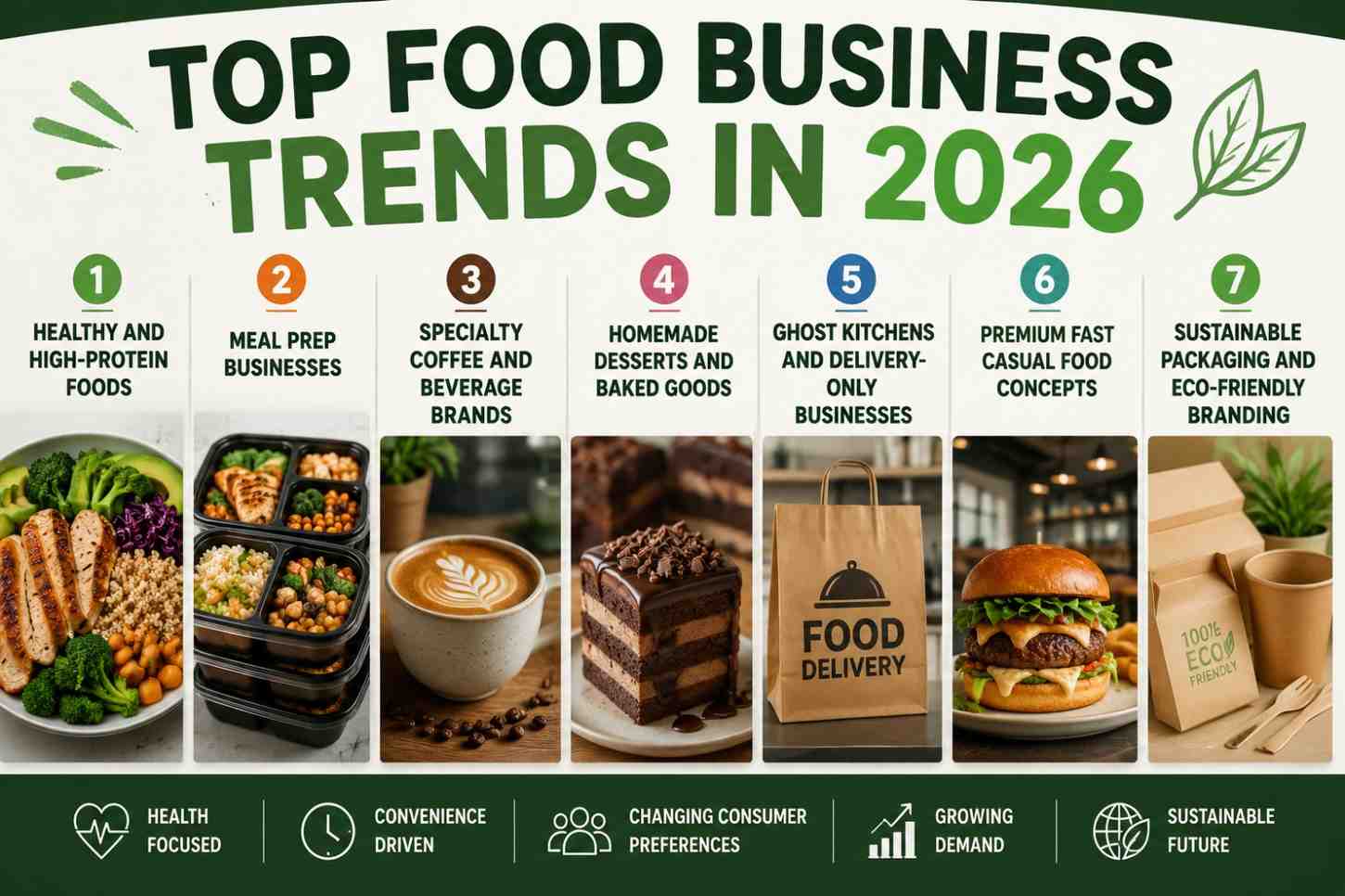 Fast-growing food business opportunities in 2026.
Step 1: Choose The Right Food Business Model
Before spending money, buying equipment, or creating branding, you need to decide what type of food business you want to build.
 Choose The Right Food Business Model
This decision matters because every business model comes with different startup costs, operational complexity, and profit margins.
Some food businesses require significant investment. Others can start from home with minimal upfront capital.
Popular Food Business Models
| Business Type | Startup Cost | Difficulty |
|---|---|---|
| Home Bakery | Low | Easy |
| Food Truck | Medium-High | Medium |
| Catering Business | Medium | Medium |
| Coffee Shop | High | Hard |
| Online Food Brand | Low-Medium | Medium |
Your ideal choice depends on three things:
- Your budget
- Your skills
- Your market demand
For example, if you have strong baking skills and limited capital, starting a dessert business from home may be ideal.
On the other hand, if you have restaurant experience and more investment capital, a larger food operation may make more sense.
Step 2: Research Your Market Before Investing
One of the biggest mistakes beginners make is launching a food business based purely on personal preference. Just because you love a product does not automatically mean there is strong market demand for it.
 Understanding market demand before launching is critical.
Successful food businesses solve real customer needs. That is why market research should always come before major financial investment.
You need to understand three important things:
- Who your ideal customers are
- What competitors are offering
- Where market gaps exist
For example, imagine you want to open a bakery. Instead of simply asking, “Can I bake good cakes?” ask smarter business questions:
- Are customers in my area looking for premium desserts?
- Are healthy dessert options missing locally?
- Is there demand for gluten-free or vegan products?
- What price range do customers accept?
How To Research The Food Market in 2026
Fortunately, market research is easier than ever in 2026 thanks to digital tools.
Best Places To Research Demand
- Google Trends
- Instagram and TikTok food trends
- Reddit food communities
- Facebook local groups
- Competitor reviews on Google
- Food delivery apps
Look closely at what customers praise and complain about.
Negative reviews are especially valuable because they reveal opportunities. If customers repeatedly complain about slow delivery, poor quality, or overpriced food, those weaknesses can become your advantage.
Step 3: Calculate Startup Costs
Before launching, you need a realistic understanding of your startup budget.
Many new food business owners underestimate expenses, which creates financial stress very quickly.
Startup costs depend heavily on your business model.
Common Startup Costs
| Expense | Typical Cost |
|---|---|
| Equipment | $500–$30,000+ |
| Licenses & Permits | $200–$5,000 |
| Ingredients | $300–$5,000 |
| Packaging | $200–$2,000 |
| Branding & Marketing | $500–$10,000 |
If you are starting from home, costs may remain relatively low.
However, restaurants, food trucks, and cafes often require much larger investments.
Step 4: Understand Legal Requirements
Food businesses must follow strict regulations because they directly affect public health and safety.
Legal requirements vary depending on your country, state, and business type, so always check local regulations.
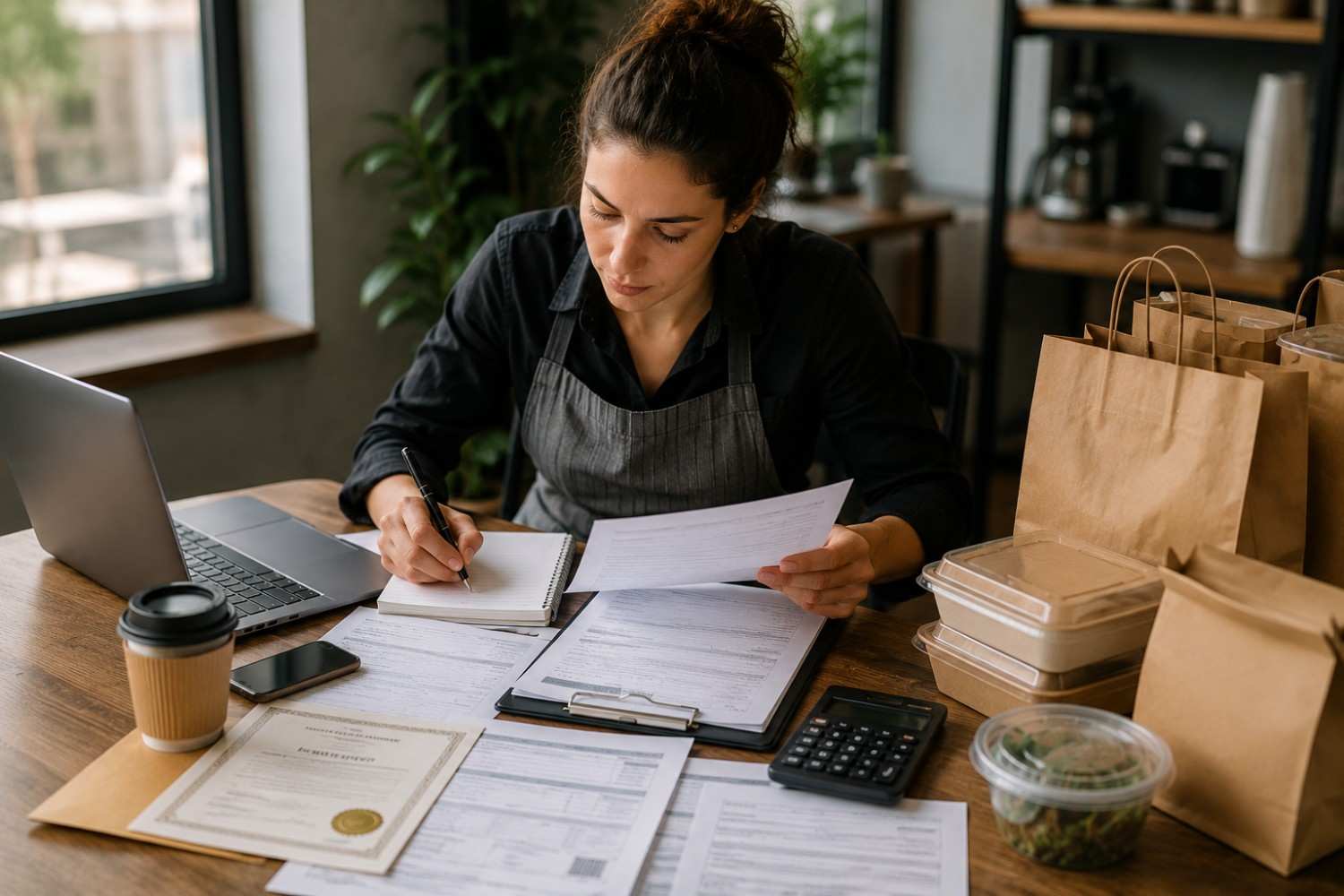 Legal preparation protects your business from costly mistakes.
Common Legal Requirements
- Business registration
- Food permits
- Health inspections
- Food safety certifications
- Insurance coverage
- Tax registration
Skipping this step can lead to fines, shutdowns, or major legal issues.
Step 5: Create a Simple Business Plan
You do not need a 50-page business plan to get started.
However, you do need a clear roadmap.
A simple business plan helps you make smarter decisions and reduces uncertainty.
Your Food Business Plan Should Include
- Business concept
- Target audience
- Menu or products
- Pricing strategy
- Startup costs
- Marketing plan
- Revenue goals
Think of this as your business blueprint.
The clearer your plan is now, the easier it becomes to grow later.
Step 6: Build Smart Pricing
Pricing is one of the most important parts of running a profitable food business. Unfortunately, many beginners make the mistake of pricing too low in order to attract customers quickly.
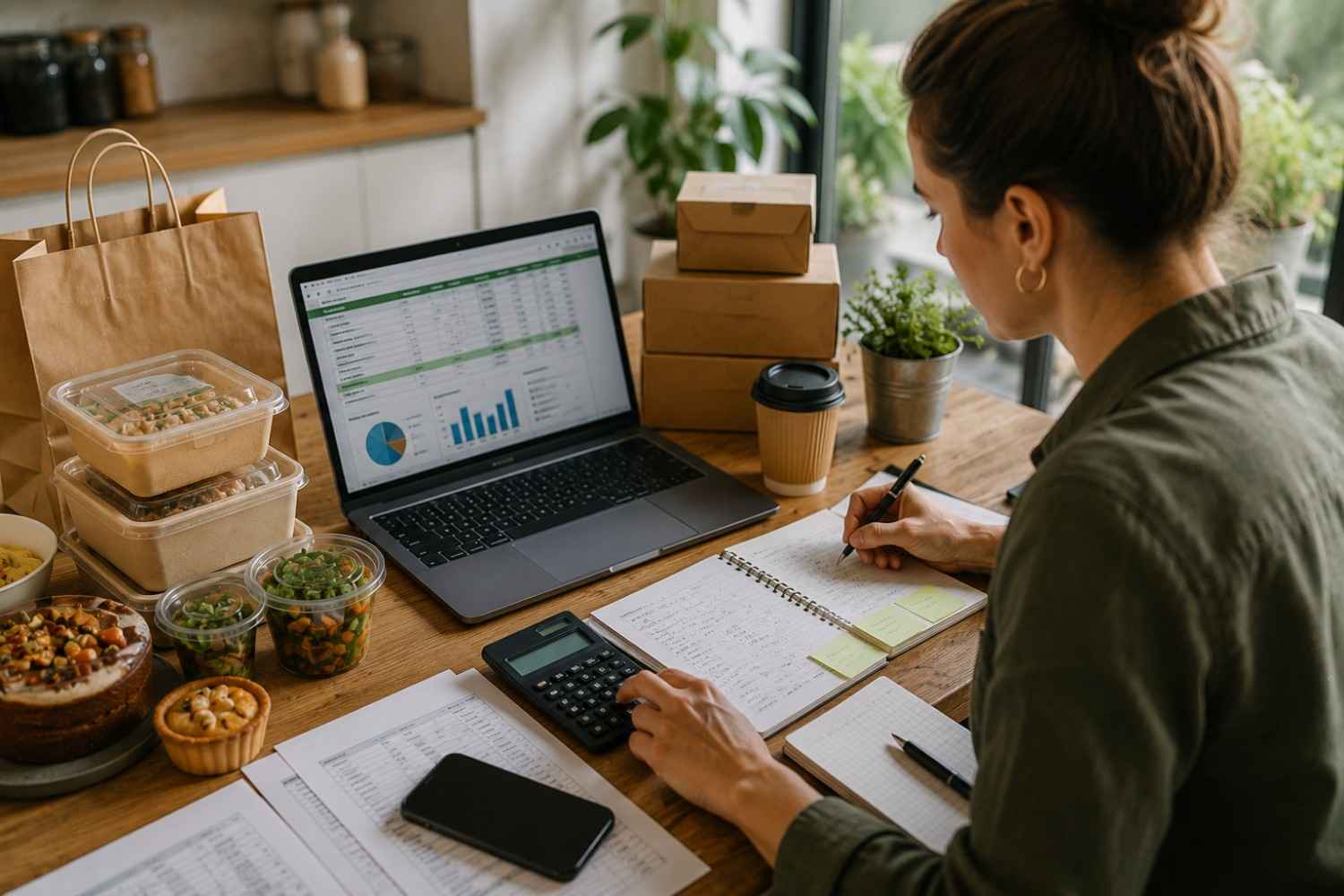 Smart pricing protects long-term profitability.
At first, cheap prices may seem like a good strategy. However, underpricing often creates serious long-term problems.
Low margins make it harder to grow, reinvest, hire staff, or survive slower months.
Instead of simply copying competitor prices, calculate your costs properly.
Your Pricing Should Cover
- Ingredients
- Packaging
- Labor
- Rent or utilities
- Marketing expenses
- Desired profit margin
A strong pricing strategy ensures your business remains sustainable while still offering value to customers.
Step 7: Build Strong Branding
In 2026, branding matters more than ever.
Customers often judge food businesses long before they taste the product. Your logo, packaging, social media presence, and overall presentation all influence buying decisions.
Good branding helps customers remember you.
Great branding makes customers trust you.
Strong Food Branding Includes
- A memorable business name
- Professional logo
- Consistent colors and design
- High-quality packaging
- Clear brand identity
Ask yourself one important question:
Why should customers choose you over competitors?
Your brand should answer that clearly.
Step 8: Market Your Food Business Properly
Even the best food products will struggle if nobody knows they exist.
That is why marketing is essential.
Fortunately, small food businesses in 2026 have access to powerful low-cost marketing channels.
 Strong marketing helps great products reach the right audience.
Best Marketing Channels For Food Businesses
- TikTok
- Google Business Profile
- Food delivery apps
- Email marketing
Food is highly visual, which means strong photography and video content can dramatically improve visibility.
Simple behind-the-scenes videos, cooking content, and product showcases often perform extremely well.
Common Mistakes To Avoid
Many food businesses fail not because of bad products, but because of avoidable business mistakes.
Biggest Mistakes Beginners Make
- Starting without market research
- Underpricing products
- Ignoring branding
- Poor cost control
- Weak marketing
- Growing too fast
Avoiding these mistakes can dramatically improve your chances of success.
How Much Can a Food Business Make?
Income varies significantly depending on business model, location, and execution.
| Business Type | Potential Monthly Revenue |
|---|---|
| Home Bakery | $2,000–$15,000+ |
| Food Truck | $5,000–$50,000+ |
| Catering Business | $5,000–$100,000+ |
| Coffee Shop | $10,000–$150,000+ |
While these numbers vary, one thing remains true:
Food businesses can become highly profitable when managed correctly.
Final Thoughts
Starting a food business in 2026 is an exciting opportunity for entrepreneurs who are ready to combine passion with smart execution.
The food industry continues to offer incredible potential, especially for businesses that understand modern consumer behavior and adapt quickly to trends.
Remember, success is rarely about having the perfect idea from day one.
Instead, success comes from starting with a solid plan, learning quickly, improving constantly, and staying consistent.
Whether you start small from home or launch a larger operation, the key is taking action with a clear strategy.