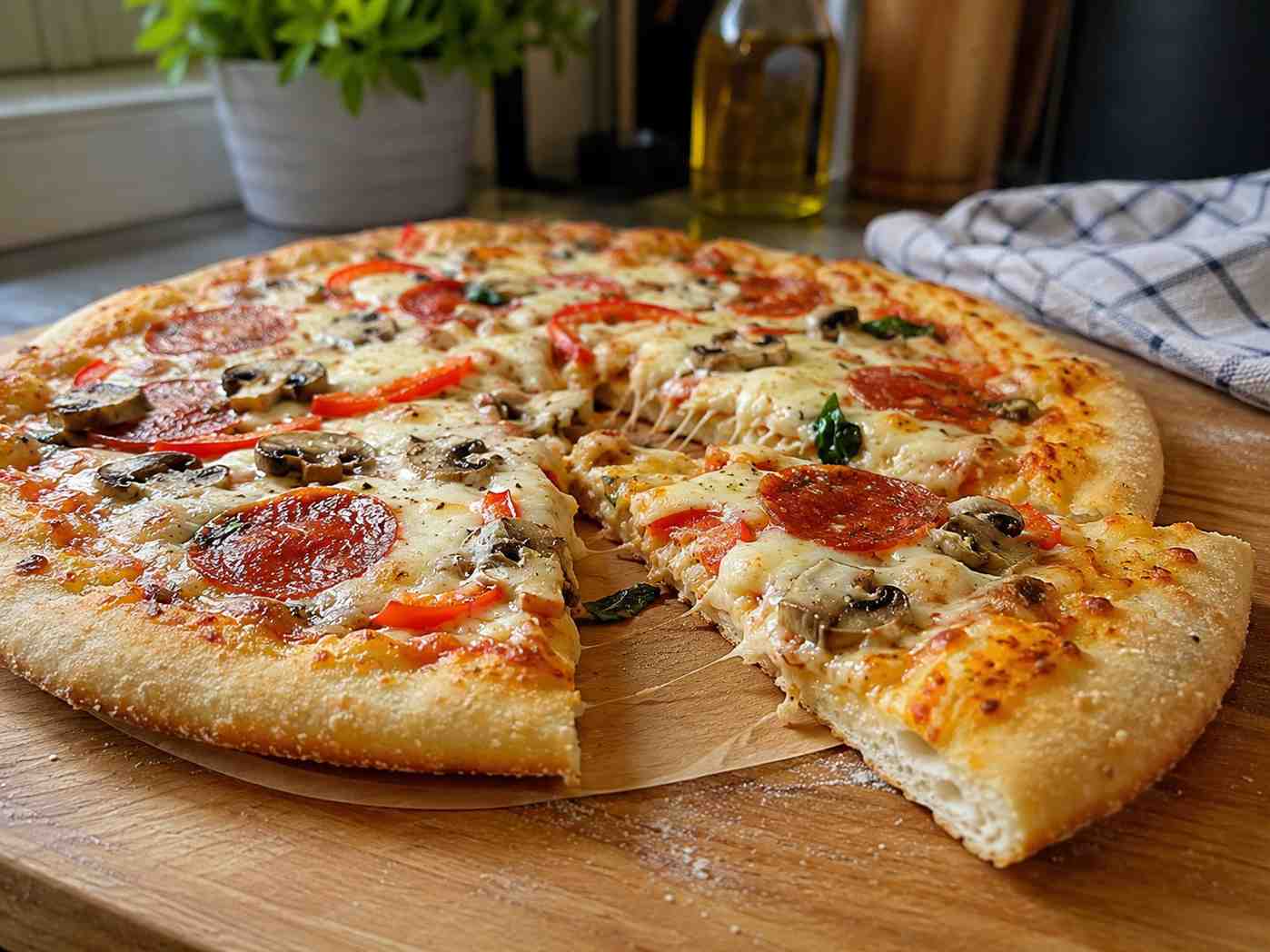
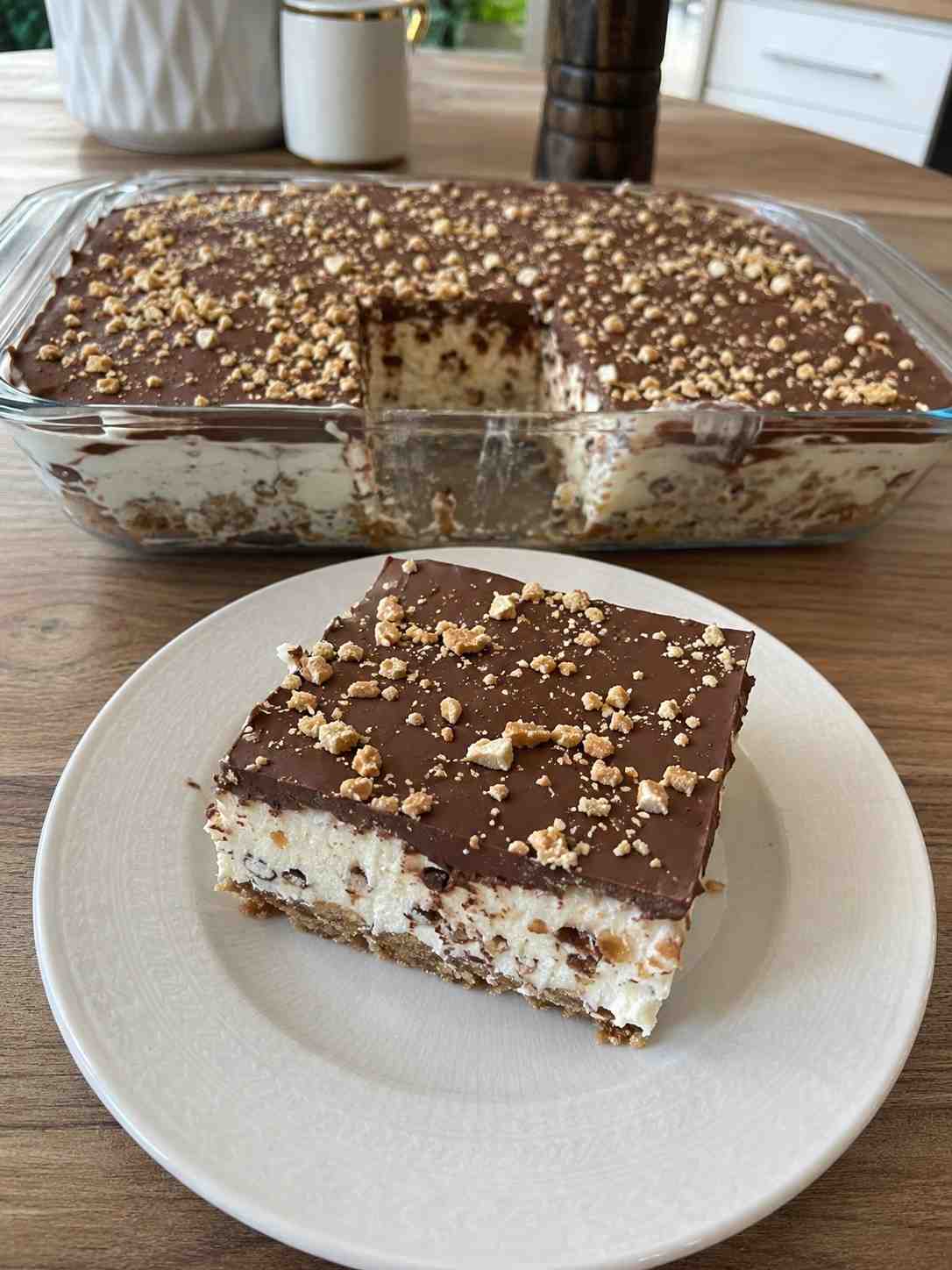
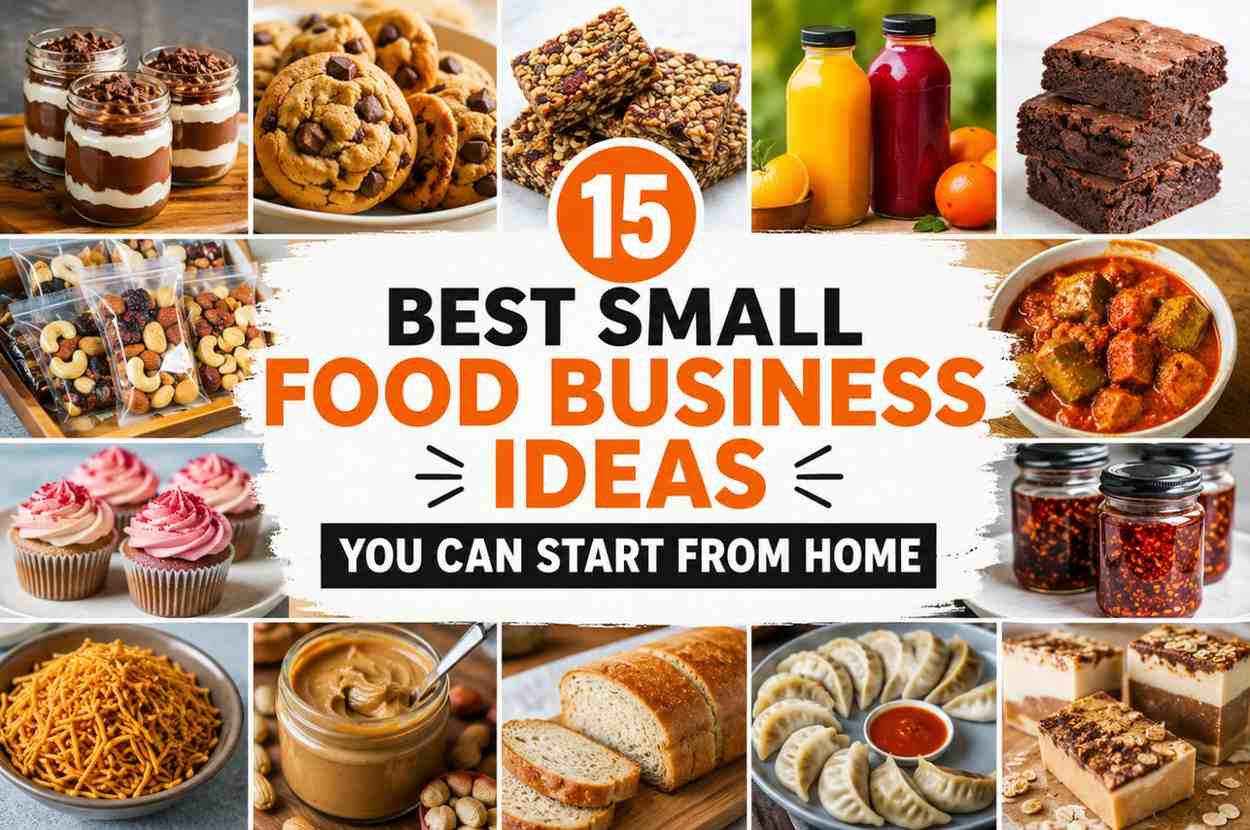
15 Best Small Food Business Ideas You Can Start From Home
No storefront, no big loan, no culinary degree required. Just a kitchen you already have, a plan that fits your budget, and a few dishes people keep asking you to make again.
Somewhere between your day job and your group chat, someone probably told you your cooking is good enough to sell. Maybe it was your banana bread, maybe your pickled onions, maybe that one curry you make on Sundays. A food business from home is usually born from exactly that moment — a compliment that turns into an order, and an order that turns into a real, if small, business.
What makes home food businesses different from most side hustles is that you don’t need to invent anything. You need a recipe people already like, a way to package it, and a place to sell it. That’s it. No office, no inventory sitting in a warehouse, no expensive equipment before you’ve made a single dollar. You can start with one tray of cookies and figure out the rest as orders come in.
This list covers fifteen food businesses that regularly work for beginners, along with what they typically cost to start, who tends to buy them, and how people are actually selling them right now — mostly through Instagram, TikTok, and local Facebook groups rather than a fancy website. Before we get into the ideas themselves, there’s one thing worth sorting out first: what you’re legally allowed to sell from your kitchen.
15 Food Businesses You Can Run From a Home Kitchen
Idea 01
Custom Cakes and Baked Goods
This is the classic entry point, and for good reason: birthdays, engagements, and office parties never stop happening. People don’t just want a cake, they want one that looks like it was made for them specifically — a certain color scheme, a inside joke on top, a flavor their grandmother used to make. That personal touch is exactly what a supermarket bakery can’t offer, and it’s what lets home bakers charge more than you’d expect for a single cake.
Start small with a limited menu — maybe three cake flavors and a couple of cupcake options — so you can get good at them before expanding. Photograph everything in natural light before it leaves your kitchen; those photos will do more selling for you than any caption.
Idea 02
Small-Batch Jams, Pickles, and Preserves
Preserves are quietly one of the easiest categories to break into, because the ingredients are cheap, the shelf life is long, and the finished jars practically sell themselves once you get the label right. Farmers market season is the obvious moment to launch, but plenty of jam makers sell year-round through local shops and gift boxes around the holidays.
The trick is picking one or two flavor combinations that aren’t already sitting on every grocery shelf — think fig and rosemary instead of plain strawberry, or a spicy mango chutney instead of another basic pickle. A distinctive flavor gives people a reason to choose you over the jar next to yours.
Idea 03
Homemade Spice Blends and Seasoning Mixes
Spice blends might be the single lowest-effort product on this list to produce, and one of the highest-margin, since a few dollars of raw spices turns into a jar that sells for far more once it’s mixed and packaged with a good name. If your family has a “secret” seasoning for chicken, fish, or rice that people always ask about, that’s your starting product.
Package it in small, clearly labeled jars or resealable pouches, and lean into a theme people can picture using — a “weeknight dinner rescue” blend does better than something generic. These also make excellent add-ons for anyone already buying meal kits, sauces, or snack boxes from you.
Idea 04
Weekly Meal Prep for Busy Professionals
Meal prep sells itself to a very specific, very reliable audience: people who want to eat well but genuinely don’t have time to cook on weeknights. Once someone finds a meal prep they like, they tend to order again week after week, which makes this one of the more predictable income streams on this list compared to one-off orders.
The catch is that prepared meals usually fall under stricter food-safety rules than baked goods, since they need refrigeration and often can’t be sold under a basic cottage food exemption. Check what’s required locally — sometimes that means using a licensed shared kitchen once a week rather than your own stove — before you take payment for your first container.
Idea 05
Tiffin-Style Lunchbox Delivery
If you cook a specific regional or cultural cuisine well, a tiffin-style service — a home-cooked lunch delivered daily or a few times a week — can build an incredibly loyal customer base fast, especially among students, office workers, and anyone missing food from home. This is less about menu variety and more about consistency: the same reliable, comforting flavors, day after day.
Start with a short list of neighbors, coworkers, or a local college community, and grow through referrals rather than trying to cover a whole city at once. Delivery logistics are usually the hardest part, so a tight, walkable delivery radius in the beginning makes this far more manageable.
Idea 06
Healthy Snack Boxes and Energy Bites
Granola, energy balls, protein bites, trail mix — this whole category rides on the fact that people want to snack better but don’t want to make their own. Gym-goers, parents packing school lunches, and office workers are all natural buyers, and subscription-style boxes work particularly well here because the product is consumable and needs restocking.
Nutrition labeling matters more in this niche than in most others on the list, since buyers are actively comparing sugar and protein content. A simple, honest ingredient list often does more for sales than fancy packaging.
Idea 07
Frozen Ready-to-Cook Meals
Frozen meals solve a real problem — people want home-cooked food but don’t want to eat it the same day it was made. A batch of frozen lasagnas, dumplings, or curry portions can sit in a customer’s freezer for weeks, which means you can cook in bulk on your own schedule instead of rushing daily orders.
This works particularly well for dishes that actually improve after freezing, like stews, dumplings, and casseroles. Clear reheating instructions on the label go a long way toward repeat orders, since customers want a foolproof result the first time they try it.
Idea 08
Hot Sauces, Salsas, and Homemade Condiments
Condiments are a business built on obsession — hot sauce fans in particular will hunt down a new bottle the way other people collect sneakers. A distinctive sauce with a clear personality (a specific pepper, a family recipe, a heat level nobody else covers) tends to build a small but very loyal following faster than almost anything else on this list.
Bottling and pH stability matter here more than in most homemade categories, since acidity affects both safety and shelf life, so it’s worth researching proper canning practices or working with a local shared kitchen before selling at scale.
Idea 09
DIY Baking Mixes and Kits
Baking kits — pre-measured dry ingredients for cookies, pancakes, or bread, layered nicely in a jar or bag — sell well as gifts precisely because they require zero cooking skill from the buyer. Someone can give a “just add butter and eggs” cookie kit to a friend who’s never baked in their life, and it still turns out well.
These are shelf-stable, easy to ship, and simple to scale once you have a system for measuring and packaging. They also pair naturally with the spice blend idea above — a customer who buys one is a good candidate for the other.
Idea 10
Specialty Coffee and Tea Blends
You don’t need to roast your own beans to build a coffee or tea brand — plenty of home businesses source quality beans or loose-leaf tea, then focus entirely on blending, flavoring, and packaging. A house blend with a name people remember, sold in resealable bags with clear brewing instructions, is often enough to start.
This category rewards consistent branding more than most, since coffee and tea drinkers tend to be loyal to whatever they already trust, so a recognizable label and a story about where your beans come from both help close the sale.
Idea 11
Small-Event Catering
Once your cooking has built up a bit of a local reputation, catering small events — birthdays, baby showers, office lunches, backyard gatherings — is a natural next step, and one that pays noticeably better per hour than most items on this list. You’re not just selling food anymore; you’re selling the relief of not having to cook for twenty people yourself.
Start with events small enough that you can comfortably handle solo or with one helper, and use every one of them to collect photos and reviews. Catering grows almost entirely on referrals, so your first five happy clients matter more than any ad ever will.
Idea 12
Baked Dog Treats and Pet-Friendly Snacks
Pet owners routinely spend on treats the way they’d never spend on their own snacks, which makes homemade dog treats a surprisingly steady niche. Simple recipes — peanut butter biscuits, pumpkin bites, dehydrated meat chews — use cheap, easy-to-source ingredients and store well, so waste is low even before you’ve built a customer base.
Local dog parks, groomers, and pet-focused Facebook groups tend to be far more effective than general food marketplaces for this one, since your audience is defined by owning a dog, not by loving food.
Idea 13
Fermented Foods: Kombucha, Kimchi, and Sourdough Starters
Fermentation has a built-in fan base of people who already care about gut health and are willing to pay for it, which makes kombucha, kimchi, and even bottled sourdough starters an easier sell than you’d expect. The production process takes patience rather than skill, and once your setup is dialed in, batches largely take care of themselves.
Because carbonation and live cultures raise safety questions that plain baked goods don’t, it’s worth checking whether fermented drinks in particular fall outside your local cottage food exemption before selling them commercially.
Idea 14
Regional Comfort Food from Your Own Culture
Of everything on this list, this is often the most underrated: cooking the specific regional dishes you grew up with, the ones that aren’t easy to find nearby. Homesick expats, curious neighbors, and second-generation families who miss a taste from their parents’ kitchen are all reliable buyers, and there’s usually far less competition than in generic categories like “cakes” or “snacks.”
Lean into what makes the food specific rather than trying to make it more familiar to a general audience — the details you might be tempted to simplify are usually exactly what your customers are looking for.
Idea 15
Decorated Cookies and Dessert Tables for Parties
Decorated cookies sit at an interesting intersection of baking and design, which is exactly why they photograph so well and spread so easily online. Custom shapes and icing for baby showers, weddings, and birthdays turn a simple cookie into something people specifically want at their event, not just something sweet to eat.
A full dessert table setup — cookies, mini cupcakes, a small cake, all matching a color scheme — lets you charge for a complete visual package rather than pricing per cookie, which tends to be far more profitable once you factor in the time decorating takes.
Getting From “Idea” to “First Sale”
Picking a product is the easy part. The businesses that actually stick tend to get a few basics right early on, before they ever worry about scaling.
Price with your real costs in mind, not just ingredients. A common mistake is pricing a cake at the cost of flour, sugar, and butter, and forgetting that your time, gas, electricity, and packaging all cost something too. A simple rule that works for most home food businesses: add up your ingredient cost, multiply it by three, then add an hourly rate for your labor. It usually lands somewhere close to what similar products already sell for locally.
Packaging is doing more selling than you think. A jar with a handwritten-style label and a ribbon sells for noticeably more than the same jam in a plain container, even though the contents are identical. Spend a little extra here before you spend anything on ads.
Start with people who already know you. Your first ten customers are almost always friends, coworkers, neighbors, or people from a local group — not strangers found through marketing. Treat those first orders as seriously as you’d treat a big one, because the review or shared photo that comes from them is what brings the next customer in.
Selling Through Social Media, Without an Ad Budget
Almost every business on this list grows the same way in its first six months: through short, unpolished videos rather than a polished website. A thirty-second clip of you piping icing onto a cookie, or ladling jam into a jar, tends to outperform any written post, because people are buying a feeling as much as a product — the sense of a real kitchen, a real person, real hands doing the work.
A few things that consistently help:
Post the process, not just the result. Mixing, rolling, packaging — the “boring” middle steps are often what people watch the most, because they make the final product feel earned rather than staged.
Join local groups before building a following elsewhere. A neighborhood Facebook group or community app often converts better than a broader Instagram audience, simply because delivery is easy and trust is already partly built in.
Let customers do some of the talking. Reposting a customer’s photo of your cake at their party, with their permission, does more for credibility than another photo taken in your own kitchen.
Keep a simple, saved menu. A pinned post or highlight with your current offerings, prices, and how to order removes the friction that stops a lot of interested buyers from actually following through.
Mistakes That Slow Beginners Down
A few patterns show up again and again in home food businesses that stall out early, and most of them are avoidable.
Offering too much, too soon. A menu with twenty items sounds generous, but it usually means you’re mediocre at all of them instead of excellent at three. Narrow the menu until you’re known for something specific.
Underpricing to “build a customer base.” Cheap prices attract customers who leave the moment you raise them. It’s easier to start at a fair price and offer an occasional discount than to start too low and try to climb out of it later.
Skipping the permit question entirely. It’s tempting to sell quietly and sort out the legal side later, but a warning from a local health department, or worse, a customer getting sick, can end a business before it really starts. The research usually takes less than an hour.
Treating it like a hobby with no schedule. Customers who order once and get a slow, vague reply usually don’t order twice. Even a simple system — set order days, a clear cutoff time, a standard reply template — makes a home business feel dependable fast.
Frequently Asked Questions
How much money do I need to start a food business from home?
Most of the ideas on this list can realistically be started for under $500, and several — spice blends, dog treats, baking mixes — for under $100. The strategy that works best for almost everyone is starting with what’s already in your kitchen, selling in small batches to gauge interest, and reinvesting the profit from those first sales into better packaging or equipment.
Do I need a license to sell food made at home?
In most places, yes, in some form. Cottage food laws typically require registration with a local health department and specific labeling, and they vary by state, province, or country, and sometimes by product type. It’s worth a short search before your first sale rather than after.
What’s the easiest food business to start from home?
Baked goods, jams, and spice blends tend to be the simplest starting points, since the ingredients are shelf-stable, the products don’t require refrigeration, and they’re typically covered under standard cottage food exemptions in most regions.
How do I market a home food business without spending money on ads?
Short process videos on Instagram Reels and TikTok, active participation in local Facebook groups, and encouraging happy customers to share their own photos usually generate more early interest than paid ads. Word of mouth still does most of the heavy lifting for small food businesses.
Can I run a food business from home while working a full-time job?
Yes, and many people on this list started exactly that way. Setting fixed order days — for example, only accepting orders for weekend pickup — keeps the workload contained to a schedule that fits around a day job, rather than letting orders come in unpredictably at all hours.
Ready to build your first menu?
Browse Reciplix for tested recipes you can scale, price, and sell with confidence.
Explore Recipes on Reciplix